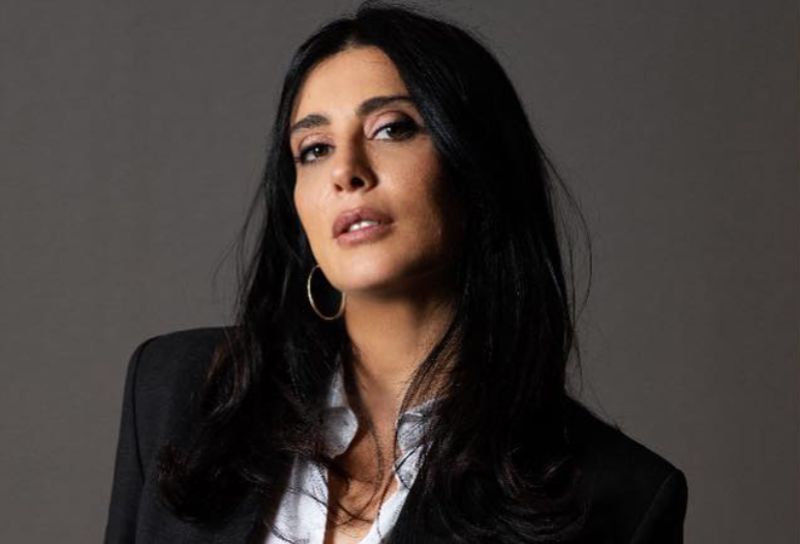
| Bio/Wiki | |
|---|---|
| Profession(s) | Actress, Film Director, Activist |
| Physical Stats | |
| Height (approx.) | 5' 9" (175 cm) |
| Eye Colour | Dark Brown |
| Hair Colour | Black |
| Career | |
| Debut | Feature Film: 'Caramel' (2007)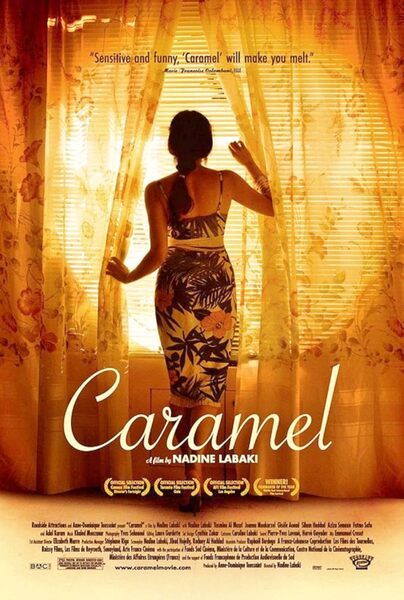 |
| Awards, Honours, Achievements | 'Caramel' (2007) • 2007- Best Feature Award at the Oslo Films from the South Festival • 2007- Audience Award at the San Sebastián International Film Festival • 2007- Youth Jury Award at the San Sebastián International Film Festival • 2007- Sebastiane Award at the San Sebastián International Film Festival • 2007- FIPRESCI Prize at the Stockholm Film Festival • 2007- Best Short Film – Fiction at the Paris Biennal of Arab Cinema • 2008- Insignia of Chevalier in the Order of Arts and Letters by the French Ministry of Culture and Communication 'Where Do We Go Now?' (2011) • 2011- Prize of the Ecumenical Jury – Special Mention at the Cannes Film Festival • 2011- François Chalais Award at the Cannes Film Festival • 2011- Audience Award at the Oslo Films from the South Festival • 2011- Best European Film Award at the San Sebastián International Film Festival • 2011- Best Script Award at the Stockholm Film Festival • 2011- People's Choice Award at the Toronto International Film Festival • 2012- Best Lebanese Film Award at the Murex D'Or • 2016- Honorary degree from the American University of Beirut 'Capernaum' (2018) • 2018- Best Film – Youth Jury Film Prize at the Antalya Golden Orange Film Festival • 2018- Achievement in Directing at the Asia Pacific Screen Awards • 2018- US/International Narrative Feature at the Calgary International Film Festival • 2018- Fan Favourite Award at the Calgary International Film Festival • 2018- Jury Prize at the Cannes Film Festival 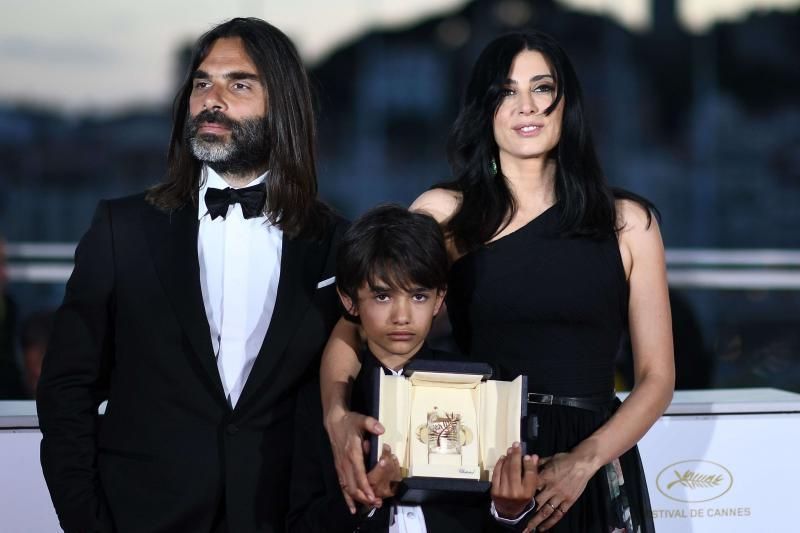 • 2018- Prize of the Ecumenical Jury at the Cannes Film Festival • 2018- Prix de la citoyenneté Award at the Cannes Film Festival • 2018- Best Feature Film Award at the Festival international du cinema francophone en Acadie • 2018- Public Choice Award at the Festival international du cinema francophone en Acadie • 2018- North Sea Port Audience Award at the Ghent International Film Festival • 2018- Best Narrative Feature Award at the Melbourne International Film Festival • 2018- World Cinema Award at the Mill Valley Film Festival • 2018- Peace Award at the Montréal Festival of New Cinema • 2018- Best Film Award at the Norwegian International Film Festival • 2018- Best Feature Film Award at the Sarajevo Film Festival • 2018- TV5MONDE Award for Best International Film at the St. Louis International Film Festival • 2018- Best Screenplay Award at the Stockholm Film Festival • 2018- Best Feature Film Award at the São Paulo International Film Festival • 2018- Best Foreign Fiction Awards at the São Paulo International Film Festival • 2019- Best Foreign Feature Film Award at the Amanda Awards, Norway for 'Capernaum' (2018) • 2019- Best Director Award at the FEST International Film Festival • 2019- IFFR Audience Award at the Rotterdam International Film Festival • 2019- Best Lebanese Director – Motion Picture at the The Lebanese Movie Awards • 2019- Best Ensemble Cast In A Lebanese Motion Picture at the The Lebanese Movie Awards • 2019- Best Feature Film Award at the Vilnius International Film Festival • 2019- Humanitarian Award at the Young Artist Awards |
| Personal Life | |
| Date of Birth | 18 February 1974 (Monday) |
| Age (as of 2025) | 51 Years |
| Birthplace | Baabdat, Mount Lebanon Governorate, Lebanon |
| Zodiac sign | Aquarius |
| Nationality | Lebanese |
| Hometown | Baabdat, |
| College/University | St. Joseph University, Beirut |
| Educational Qualification | Bachelors Degree in Audiovisual Arts |
| Social Media | • Instagram • YouTube |
| Relationships & More | |
| Marital Status | Married |
| Marriage Date | Year, 2007 |
| Family | |
| Husband/Spouse | Khaled Mouzanar (Musician, Composer)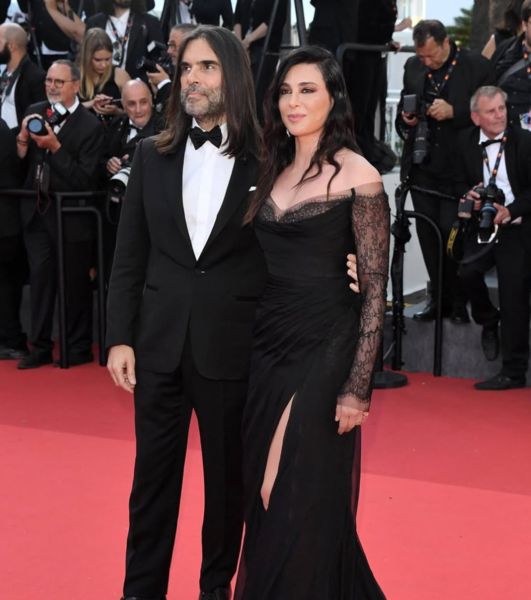 |
| Children | Son- Walid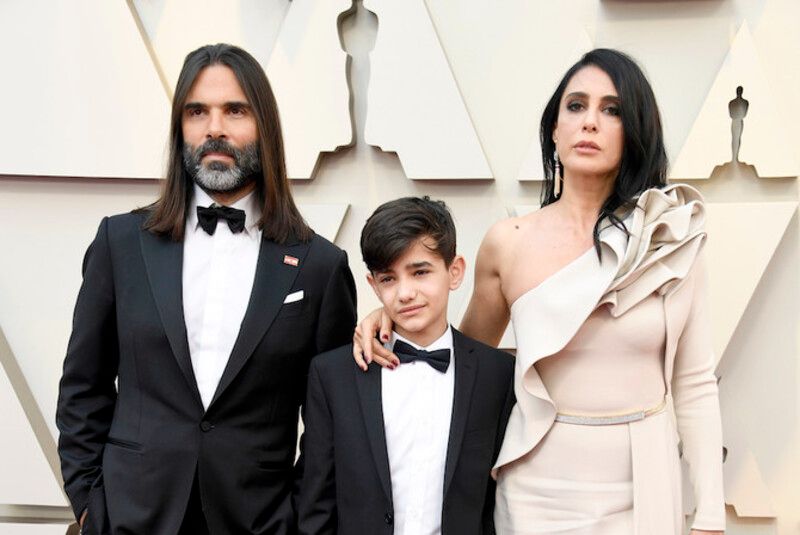 Daughter- Mayroun |
| Parents | Father- Antoine (Engineer)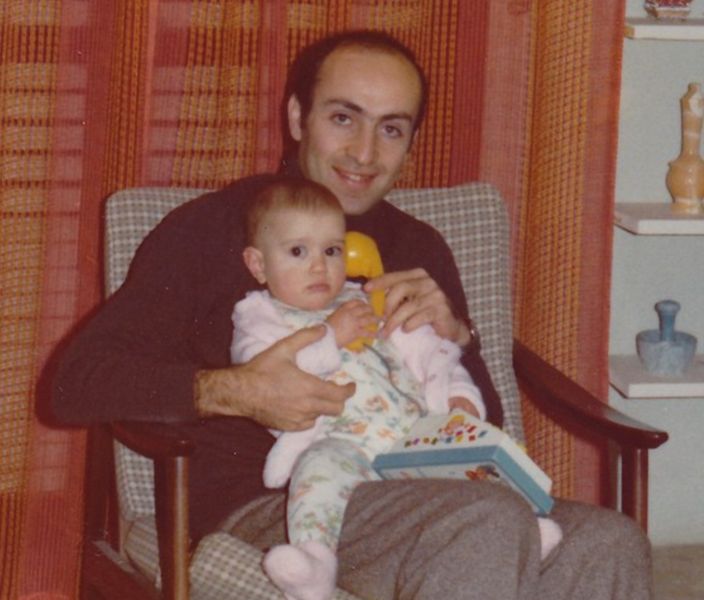 Mother- Antoinette Labaki (Homemaker) 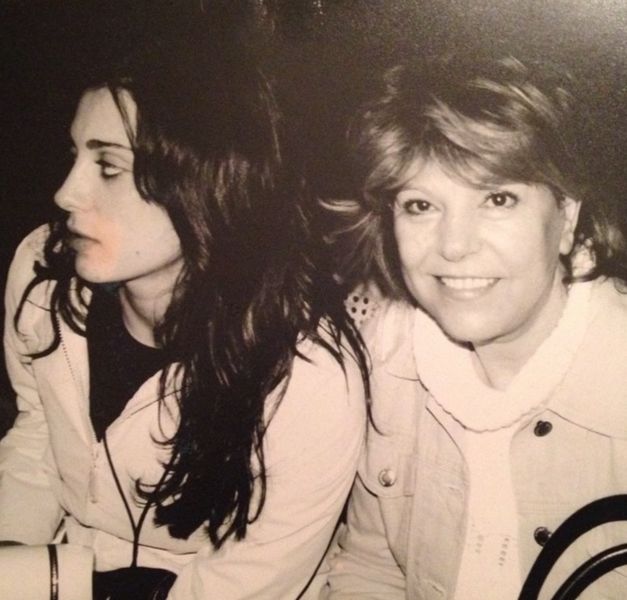 |
| Siblings | Sister- Caroline Labaki (Film Director) |
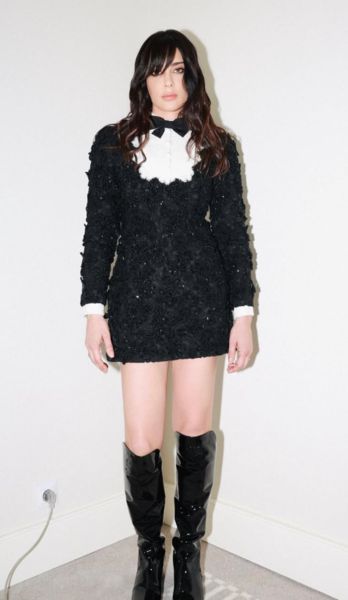
Some Lesser Known Facts About Nadine Labaki
- Nadine Labaki was born to parents who were Maronites.
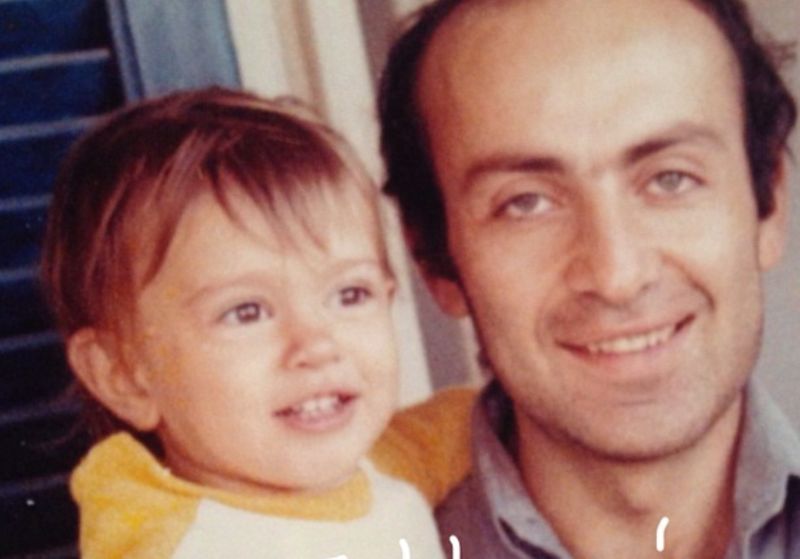
Nadine Labaki’s childhood photo with her father
- Nadine Labaki lived in a war-torn environment for the first seventeen years of her life, until the civil war in Lebanon ended in 1991.
- She learned the art of storytelling at a young age from her uncle, who was the family’s hakawati (traditional storyteller).
- Nadine’s grandfather owned a small theatre in Lebanon where she found her interest in films and decided to pursue it as her profession.
- At the end of her graduation, Nadine was supposed to direct a graduation film. She directed a film titled ’11 Rue Pasteur,’ which won the Best Short Film Award at the Biennale of Arab Cinema at the Arab World Institute in Paris.
- Nadine Labaki has always stood out among Lebanese and Arab filmmakers because she received her education and training in her home country, not abroad.
- Seeking safety from the civil war in Lebanon, Nadine Labaki moved to Montreal, Canada, around 1989, where she lived for three years and eventually became a Canadian citizen.
- One of Nadine’s initial projects was the 1990s Arab world’s first star-maker talent shows in Lebanon, titled ‘Studio El Fan,’ in which she won a prize for directing various music video productions.
- In 1998, Nadine attended an acting workshop at a private drama school in Paris, France, named ‘Cours Florent.’
- Her sister, Caroline Labaki, was the executive producer, and with her help, Nadine started directing TV advertisements and music videos for renowned Middle Eastern singers, and she also won several awards for her direction.
- In 2003, she started gaining popular attention in the Arab media, as that was the year when Nadine began directing music videos for the Lebanese singer Nancy Ajram.
- Even though some of their projects were not taken well by the audience, Nadine Labaki and Nancy Ajram, through their music videos, collaborated to reshape the image of the modern Arab woman, portraying her as feminine, confident, and in control.
- The music video of the Egyptian song titled ‘Akhasmak ah’ (2003), which was directed by Nadine Labak, featured a few “scenes of sexually suggestive dancing” during the period when Arab women used to face immense orthodoxism.
- Discussing the music video of the song titled ‘Akhasmak ah,’ Nadine stated in one of her interviews that Nancy Ajram was actually depicting an “assertive and powerful female figure.”
- While directing films, Nadine Labaki also began acting in short films during the early 2000s.
- In 2005, Nadine Labaki took part in the Cannes Film Festival Residence for six months, and that was when she wrote the script of her first feature film titled ‘Caramel,’ which was later released in 2007.
- In the same year, she was cast in the Lebanese musical comedy film titled ‘Bosta,’ in which she played the character of Alia. The film was a box office success in the country, outgrossing the fantasy film titled ‘Harry Potter and the Goblet of Fire’ in Lebanon.
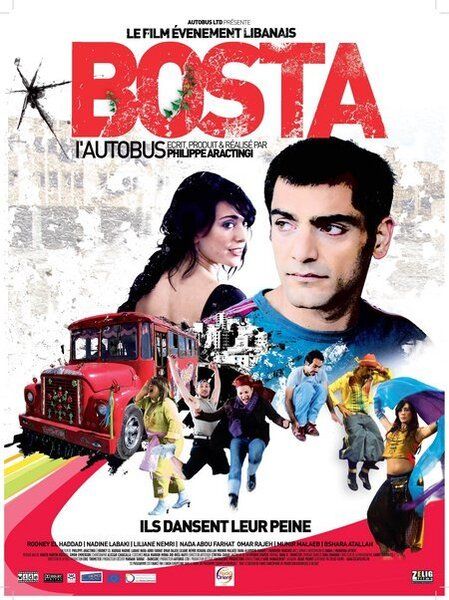
Nadine Labaki on the poster of the Lebanese musical comedy film titled ‘Bosta’ (2005)
- In 2007, Nadine Labaki was named on Variety’s ’10 Directors To Watch’ list.
- In 2010, she directed and starred in her second feature film titled ‘Where Do We Go Now?,’ which was all about a delicate subject of a war-ravaged Middle Eastern village in which Muslim and Christian women try to keep their men from starting a religious war. The inspiration for the film first came to Labaki in 2008, while she was pregnant with her son.
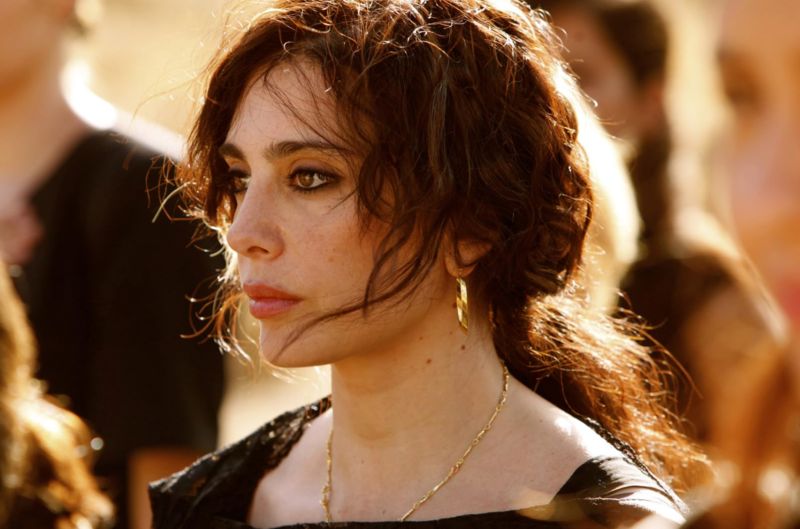
Nadine Labaki in a still from her second Lebanese feature film titled ‘Where Do We Go Now? (2010)
- While making the film ‘Where Do We Go Now?,’ the inter-religious tensions sparked violence in the streets of Beirut. Which is why in the film, Nadine highlights how religious differences turned friends into enemies.
- In her first 2 feature films, titled ‘Caramel’ (2007) and ‘Where Do We Go Now?’ Nadine Labaki cast non-professional actors.
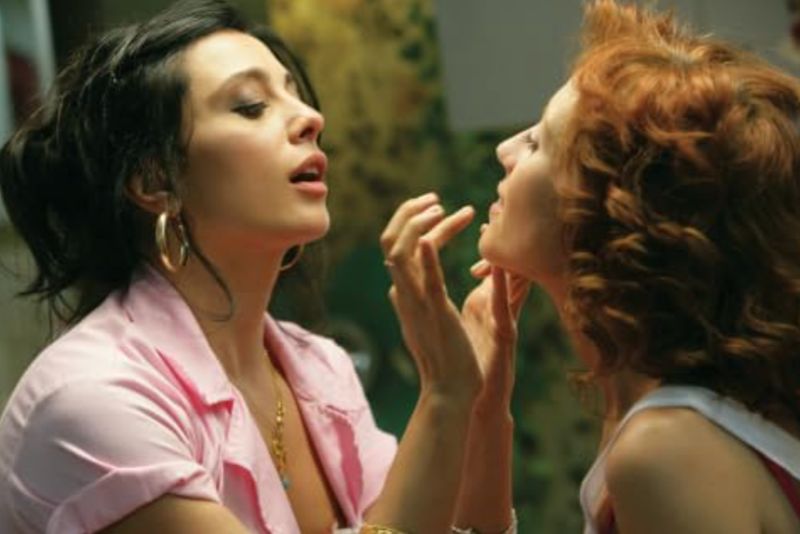
Nadine Labaki (left) in a still from the Lebanese romantic comedy film titled ‘Caramel’ (2007)
- In 2011, Nadine Labaki created her self-named YouTube channel and started uploading her film direction videos. Her YouTube channel holds more than 2 lakh subscribers, as of 2025.
- She often casts men, women, and children from the actual neighbourhoods shown in her films, where they re-create scenes based on their own real-life experiences, often set in some of Beirut’s toughest slums. She does this to make the film as realistic as possible.
- For her film ‘Caramel’ (2007), Nadine spent almost a year searching for women who resembled her characters.
- For three years before writing her third feature film titled ‘Capernaum,’ Nadine Labaki conducted in-depth research on the lives of children in the city, collecting their stories, experiences, and backgrounds.
- Recalling her experience during the beginning to write the film ‘Capernaum,’ she was quoted as saying in one of her interviews that
In Lebanon, we are exposed to the sight of children suffering on a daily basis. Sometimes, they’re just lying there. It began with feeling responsible, with wanting to become the voice of these kids. These children are in perpetual danger. So I started going out with my co-writers to the most difficult neighbourhoods – to the slums, to the detention centres, to the courts – just watching.”
- She cast mostly non-professional actors in her third feature film, including the lead child actor, Zain Al Rafeea, who himself was a Syrian refugee who was discovered by Nadine while playing with friends in a slum.
- For her feature film titled ‘Capernaum,’ Nadine Labaki gave her actors minimal direction and used hand-held cameras to capture life in the streets of Lebanon.
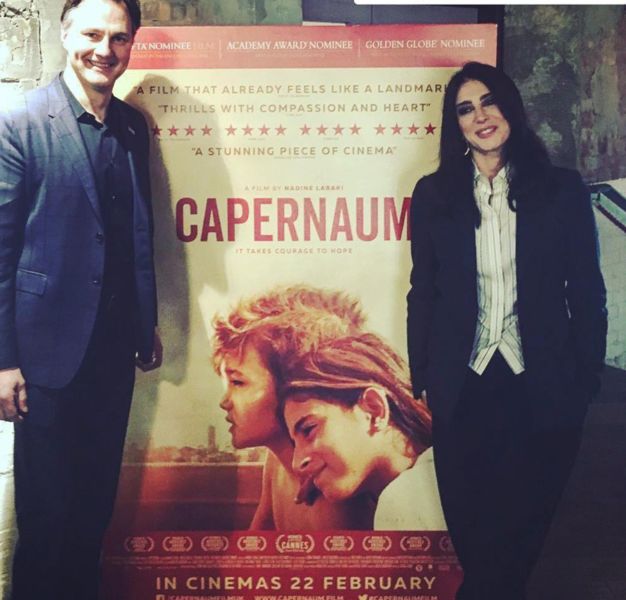
Nadine Labaki (right) on the premiere of her Lebanese feature film titled ‘Capernaum’ (2018)
- While making films, Nadine uses simple film techniques like special lighting, mood, and quiet moments to help tell her stories. Even though there is often political trouble around her, she keeps making movies that don’t focus on war or conflict.
- She was selected to be on the jury for the Un Certain Regard section of the 2015 Cannes Film Festival.
- After the success of her third feature film titled ‘Capernaum,’ she signed with Creative Artists Agency (CAA) for all her work, but she still has Art Media Agency as her representative in France.
- Nadine was the first female director in 2019 whose feature film was nominated in the foreign-language Oscars category. Her film ‘Capernaum’ was nominated for the awards.
- After she cast the refugee child, Zain Al Rafeea, in her film ‘Capernaum,’ she collaborated with the Office of the United Nations High Commissioner for Refugees (UNHCR) and United Nations International Children’s Emergency Fund (UNICEF), and they together made it possible for Zain Al Rafeea and his family to resettle in Norway.
- Zain Al Rafeea and his siblings started attending school for the first time in their lives with the hope of regaining their childhoods, and they all credit Nadine Labaki for changing their lives.
- In 2014, Nadine Labaki was appointed as the goodwill ambassador for the bilingual and multimedia campaign produced by The Brave Heart Fund (BHF), which is a charitable initiative established in November 2003 at the Children’s Heart Centre, American University of Beirut Medical Centre (AUBMC).
- The Brave Heart Fund (BHF), for which Nadine was an ambassador of creates awareness and helps to fund operations and procedures for underprivileged children with Congenital Heart Disease
- In 2016, Nadine Labaki became a candidate on the list of the volunteer-led political campaign that emerged in April 2016 to run in the 8 May 2016 Beirut municipality elections. The political campaign focuses on social justice and the good of the public, utilising a diverse group of citizens as representatives.
- Nadine Labaki often casts herself in her movies, and talking about the whole experience, she was quoted as saying in one of her interviews that
When I act with the people I cast, they feel more comfortable. I like to improvise a lot, and when I am in the film, it’s like directing the scene from the inside.”
- In 2020, Nadine Labaki, along with Khaled Mouzanar, directed episode 11 titled ‘Mayroun and the Unicorn’ of the Italian-Chilean television anthology series titled ‘Homemade,’ which was telecast on Netflix.
- In 2021, she was selected as a jury member at the 11th Beijing International Film Festival for the Tiantan Awards.
- Having grown up during the Lebanese Civil War, Nadine Labaki draws on her experiences of political turmoil in her homeland, often focusing on themes like violence and trauma in her films.
- Another common theme in her work is feminism and the female narrative. She does this by focusing on the everyday lives of women in the Middle East in her films.
- In 2022, Nadine was cast in the Arabic comedy-drama film titled ‘Perfect Strangers,’ an Arab remake of the 2016 Italian film titled ‘Perfetti sconosciuti’ (2016), and the film is the first Arabic-language Netflix original film made purely by Arab production companies. Nadine played the character of May in the film.
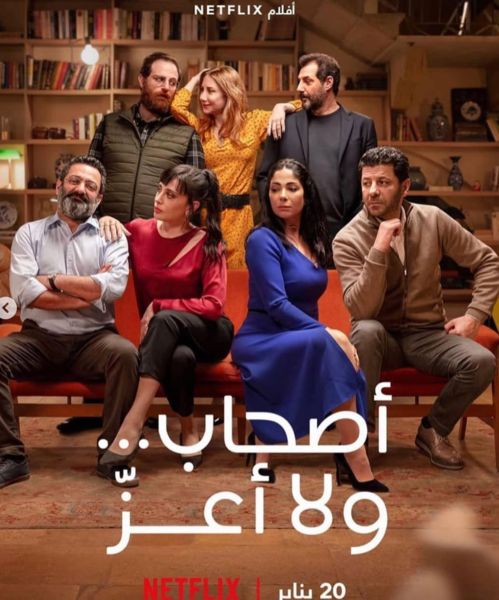
Nadine Labaki (wearing red) on the poster of the Arabic comedy-drama film titled ‘Perfect Strangers’ (2016)
- Nadine Labaki is multilingual, fluent in Arabic, French, English and Italian.
- In 2024, Nadine was cast in the Arabic fantasy thriller film titled ‘The Sand Castle,’ in which she played the character of Yasmine.
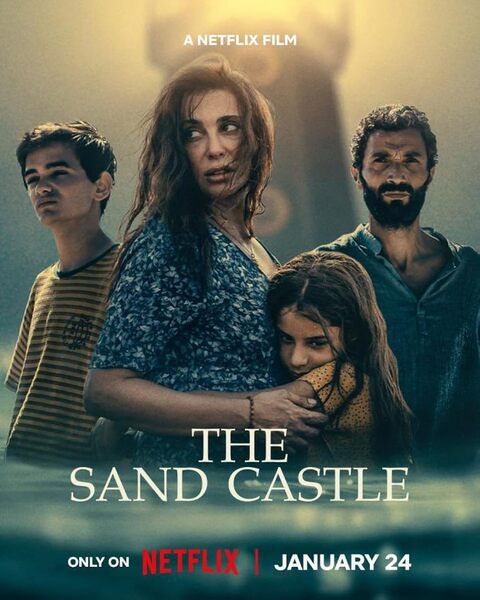
Nadine Labaki (second from left) on the poster of the Arabic fantasy thriller film titled ‘The Sand Castle’ (2024)
- Nadine Labaki has been cast in many films and some of them include ‘Stray Bullet’ (2010), ‘Al Abb Wal Gharib The Father And The Foreigner’ (2010), ‘Rio, I Love You’ (2014), ‘Costa Brava, Lebanon’ (2021), and ‘Swimming Home’ (2024).
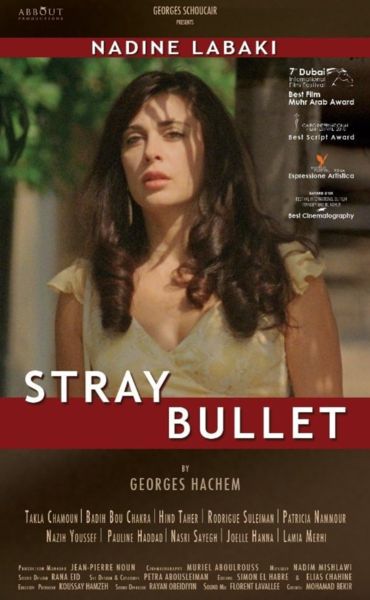
Nadine Labaki on the poster of the first Lebanese long feature film titled ‘Stray Bullet’ (2010)

I’m a passionate content writer with a flair for storytelling and a strong command of language. With experience in writing across various niches, from lifestyle and entertainment to professional biographies and brand narratives. I create engaging, well-researched content that connects with readers. My writing style balances clarity with creativity, and I enjoy crafting pieces that inform, inspire, and leave an impact.